
Luxury perfumery represents the highest level of fragrance creation, where exceptional ingredients, skilled craftsmanship, and artistic vision come together. This article presents a carefully curated list of the top 100 luxury perfume brands in the world, selected for their influence, quality, and enduring reputation in high-end perfumery. These brands define what luxury fragrance truly means - through heritage, innovation, and uncompromising standards.
The selection includes historic perfume houses such as Chanel and Guerlain, alongside modern luxury and niche brands like Byredo and Le Labo. Each brand stands out for a distinct approach to perfume making, whether through rare raw materials, signature scent styles, or refined presentation. This guide is designed to help readers understand the landscape of luxury perfumes and discover the houses that shape the world’s most prestigious fragrances.
The Most Luxury Perfume Brands in the World
I. Ultra-Luxury & Haute Parfumerie (Top Tier)
These houses represent the highest level of perfumery, where price, materials, concentration, and exclusivity are pushed to the extreme.
1. Clive Christian (United Kingdom)
Clive Christian is widely regarded as one of the most expensive perfume brands in the world. The fragrances are known for exceptionally high concentrations of perfume oils, complex formulas, and lavish presentation, including the brand’s signature crown-shaped bottle cap. Iconic creations such as No. 1, X Masculine, and 1872 focus on richness, longevity, and classical luxury rather than trends. This is perfumery designed for collectors who want maximal opulence.
2. Roja Parfums (United Kingdom)
Founded by master perfumer Roja Dove, Roja Parfums is built around the philosophy of using the finest raw materials without compromise. The brand is known for extravagant compositions, often featuring ambergris, natural florals, and rich orientals. Fragrances like Diaghilev, Elysium, and Enigma are instantly recognizable for their depth and polish. Roja Parfums sits firmly in the world of unapologetic, old-school luxury.
3. Amouage (Oman)
Amouage blends Middle Eastern perfume traditions with Western artistic structure. Frankincense, myrrh, amber, and spices are core to the brand’s identity, reflecting its Omani heritage. Fragrances such as Interlude, Jubilation XXV, and Reflection are known for their intensity, complexity, and longevity. Amouage is often described as “cathedral-like” perfumery—bold, dramatic, and deeply luxurious.
4. Xerjoff (Italy)
Xerjoff combines Italian craftsmanship with an almost jewel-like approach to presentation and scent construction. The brand is famous for ornate bottles, premium materials, and wide-ranging collections such as Shooting Stars and Join the Club. Popular fragrances like Naxos, Alexandria II, and Erba Pura balance richness with modern appeal. Xerjoff is a favorite among collectors who want luxury that still feels contemporary.
5. Fragrance du Bois (United Kingdom / France)
Fragrance du Bois is best known for its commitment to using real, sustainable oud sourced from managed plantations. Unlike many brands that rely on synthetic oud accords, this house emphasizes authenticity and transparency. Scents such as Oud Rouge Intense, Santal Complet, and London Oud blend natural oud with refined Western structures. The result is modern luxury with ethical awareness.
6. Bortnikoff (Thailand)
Bortnikoff is an artisanal perfume house focused on small-batch production and natural raw materials. The brand has gained a cult following for its use of real oud, natural resins, and rich florals. Fragrances like Amber Cologne, Oud Monarch, and Sayat Nova are powerful, textured, and unapologetically intense. This is luxury perfumery for purists who value craftsmanship over mass appeal.
7. Ensar Oud (United States)
Ensar Oud operates at the extreme niche end of luxury perfumery, specializing in pure oud oils and high-end oud-based fragrances. Many releases are produced in very limited quantities and command exceptionally high prices. The brand is revered among oud connoisseurs for its transparency, quality, and educational approach to oud. This is not entry-level luxury—it’s specialist territory.
8. Krigler (United States / France)
Krigler is a historic perfume house with roots dating back to the early 20th century, once favored by royalty and Hollywood elites. The brand maintains a discreet, almost private-club aura. Fragrances such as Lovely Patchouli 55, America One 31, and Extraordinaire Camelia 209 are elegant, polished, and timeless. Krigler represents understated, old-world luxury rather than spectacle.
9. Maison Francis Kurkdjian (France)
Maison Francis Kurkdjian is known for technical precision, balance, and refinement. Founded by perfumer Francis Kurkdjian, the house produces fragrances that feel meticulously constructed yet emotionally accessible. Baccarat Rouge 540 is the brand’s most famous creation, but scents like Grand Soir and Amyris showcase its broader sophistication. The brand bridges artistic perfumery and modern luxury seamlessly.
10. Parfums MDCI (France)
Parfums MDCI represents classical French haute parfumerie, with a strong emphasis on tradition, structure, and artistic storytelling. The brand is known for its sculptural bust bottles and refined compositions. Fragrances such as Invasion Barbare and Chypre Palatin reference historical perfume styles while remaining wearable today. MDCI appeals to collectors who appreciate classical elegance over trend-driven scents.
II. Luxury Fashion Houses (High-End Fragrance Lines)
These brands are fashion or jewelry houses that operate serious luxury perfume collections, often separate from their mass-market releases.
11. Chanel (France)
Chanel’s luxury perfumery is best represented by Les Exclusifs, a collection that goes far beyond mainstream releases like No. 5. Scents such as Coromandel, Sycomore, and Le Lion explore deeper, more nuanced territory. Chanel combines heritage, in-house perfumery, and consistent quality, making it one of the most respected names in luxury fragrance.
12. Guerlain (France)
Founded in 1828, Guerlain is one of the most important perfume houses in history. The brand’s high-end collections, particularly L’Art & La Matière, highlight rare materials and refined compositions. Classics like Shalimar coexist with modern masterpieces such as Spiritueuse Double Vanille. Guerlain represents continuity, craftsmanship, and French perfume heritage at its highest level.
13. Hermès (France)
Hermès approaches perfumery with the same philosophy it applies to leather and silk: restraint, quality, and intellectual depth. Under perfumer Christine Nagel and previously Jean-Claude Ellena, the brand has developed a distinct, airy signature. Fragrances like Terre d’Hermès, Voyage, and H24 focus on clarity and elegance rather than excess.
14. Dior (France)
Dior’s La Collection Privée represents the brand’s most refined fragrance offering. These perfumes explore single themes or materials—such as rose, vanilla, or incense—through a luxurious lens. Popular examples include Ambre Nuit, Oud Ispahan, and Gris Dior. The collection is positioned clearly above Dior’s mainstream releases.
15. Louis Vuitton (France)
Louis Vuitton fragrances are developed in-house under master perfumer Jacques Cavallier-Belletrud. The collection emphasizes travel, craftsmanship, and premium ingredients. Scents like Imagination, Ombre Nomade, and L’Immensité are designed to feel expansive and polished. Distribution is intentionally limited to Louis Vuitton boutiques, reinforcing exclusivity.
16. Tom Ford (United States)
Tom Ford’s Private Blend line transformed modern luxury perfumery by normalizing bold, statement-making scents. Fragrances such as Oud Wood, Tobacco Vanille, and Black Orchid are rich, sensual, and instantly recognizable. The brand sits at the intersection of luxury, sex appeal, and mainstream accessibility.
17. Bvlgari (Italy)
Bvlgari’s high-end fragrance identity is best expressed through collections like Le Gemme, inspired by gemstones and global trade routes. These perfumes often feature exotic materials such as incense, spices, and woods. The overall aesthetic is bold yet refined, aligning with Bvlgari’s jewelry heritage.
18. Cartier (France)
Cartier treats perfumery as an extension of fine jewelry design. Its fragrances emphasize balance, contrast, and clarity rather than excess. Creations like Déclaration, Baiser Volé, and L’Envol reflect the brand’s polished, architectural style. Cartier perfumes are elegant and quietly luxurious.
19. Van Cleef & Arpels (France)
Van Cleef & Arpels’ Collection Extraordinaire focuses on natural ingredients and poetic storytelling. Many fragrances center around florals, woods, and musks, crafted with transparency and finesse. Scents like Bois d’Iris and Orchidée Vanille reflect the brand’s romantic and artistic heritage.
20. Chopard (Switzerland)
Chopard integrates sustainability into its luxury positioning, using ethically sourced gold and responsibly selected materials. Its perfume collections echo this philosophy, combining richness with modern refinement. Fragrances such as Oud Malaki and Rose Malaki emphasize depth and elegance while aligning with contemporary luxury values.
III. High-End Niche Luxury
These brands sit at the core of modern luxury perfumery and are widely respected by collectors, enthusiasts, and industry professionals.
21. Frederic Malle (France)
Frederic Malle is often described as a “publisher” of perfumers rather than a traditional brand. Each fragrance is created by a renowned perfumer with full creative freedom and clear authorship. Iconic releases such as Portrait of a Lady, Musc Ravageur, and Carnal Flower are benchmarks in modern perfumery. The house is celebrated for transparency, intellectual depth, and consistently high quality.
22. Serge Lutens (France)
Serge Lutens is one of the most influential artistic perfume houses of the past decades. The brand is known for deep, often dark compositions featuring notes like incense, resins, spices, and woods. Fragrances such as Chergui, Ambre Sultan, and Féminité du Bois feel poetic and introspective rather than crowd-pleasing. This is perfumery driven by personal vision and storytelling.
23. Le Labo (United States)
Le Labo built its reputation on freshness, minimalism, and a strong focus on raw materials. Perfumes are often associated with a key ingredient, such as Santal 33, Another 13, or Rose 31. The brand emphasizes hand-blending, personalized labels, and understated luxury. Le Labo appeals to those who want modern, urban sophistication rather than classical opulence.
24. Byredo (Sweden)
Byredo approaches perfumery through a minimalist, design-forward lens. The fragrances often feel airy, contemporary, and emotionally evocative rather than traditionally complex. Popular creations like Gypsy Water, Bal d’Afrique, and Mojave Ghost have achieved cult status. Byredo is particularly appealing to those who value aesthetics, mood, and effortless wearability.
25. Parfums de Marly (France)
Inspired by the grandeur of the 18th-century French court, Parfums de Marly specializes in bold, modern interpretations of classical perfume styles. The brand is known for strong projection, high concentration, and crowd-impacting scents. Bestsellers such as Layton, Herod, and Delina are widely loved for their richness and longevity. This is niche perfumery with strong mainstream appeal.
26. Kilian (France)
Founded by Kilian Hennessy, the brand blends luxury heritage with sensual, nightlife-inspired perfumery. Many fragrances revolve around themes of temptation, indulgence, and excess. Love, Don’t Be Shy, Black Phantom, and Angel’s Share are among its most recognizable creations. Kilian stands out for combining playful storytelling with genuinely high-end compositions.
27. Memo Paris (France)
Memo Paris builds its identity around travel, memory, and place. Each fragrance is inspired by a specific destination, often interpreted through leather, spices, or florals. The Leather collection, including Irish Leather and African Leather, is particularly well known. Memo perfumes are expressive, distinctive, and designed to evoke a sense of journey.
28. Maison Crivelli (France)
Maison Crivelli takes a multisensory approach to perfumery, often contrasting unexpected notes and textures. The brand is known for innovative pairings, such as rose with metallic accents or woods with mineral facets. Fragrances like Hibiscus Mahajád and Papyrus Moléculaire feel modern, bold, and experimental while remaining wearable. It appeals to curious and adventurous perfume lovers.
29. Ex Nihilo (France)
Ex Nihilo positions itself at the intersection of luxury, personalization, and contemporary Parisian style. The brand emphasizes high-quality materials and precise construction. Fleur Narcotique is its most famous release, but the broader collection showcases clean, elegant, and modern compositions. Ex Nihilo fragrances often feel polished and cosmopolitan.
30. Nishane (Turkey)
Nishane is one of the most internationally successful niche perfume brands to emerge from Istanbul. The house combines rich, expressive compositions with excellent performance. Fragrances such as Hacivat, Ani, and Fan Your Flames are widely praised for their character and longevity. Nishane blends cultural depth with modern niche appeal.
IV. Artistic & Experimental Luxury
These houses prioritize originality, emotion, and concept over traditional luxury signals.
31. Nasomatto (Italy)
Nasomatto is an intentionally provocative brand that focuses on raw emotion and instinct. Each fragrance is compact, intense, and designed to make a strong statement. Scents like Black Afgano, Pardon, and Baraonda are powerful and unconventional. Nasomatto is about impact, not subtlety.
32. Orto Parisi (Italy)
Orto Parisi, created by the same perfumer behind Nasomatto, explores the primal and physical aspects of scent. The fragrances often reference the human body, nature, and instinct. Releases such as Terroni and Megamare are bold, long-lasting, and divisive. This is perfumery that intentionally challenges comfort zones.
33. Etat Libre d'Orange (France)
Etat Libre d’Orange is known for its rebellious attitude and provocative themes. While the branding is playful and sometimes controversial, the perfumes themselves are often surprisingly sophisticated. Notable fragrances include Fat Electrician, You or Someone Like You, and Remarkable People. The brand champions creative freedom and humor in perfumery.
34. Tauer Perfumes (Switzerland)
Tauer Perfumes is an independent house built around the vision of perfumer Andy Tauer. The brand is admired for its use of rich ambers, resins, and dry desert-like accords. L’Air du Désert Marocain is considered a modern niche classic. Tauer fragrances feel handcrafted, personal, and deeply expressive.
35. D.S. & Durga (United States)
D.S. & Durga blends music, design, and storytelling into its fragrance concepts. Many scents reference American landscapes, history, or subcultures. Fragrances like Bowmakers, Debaser, and Radio Bombay feel creative and narrative-driven. The brand appeals to those who see perfume as an extension of art and culture.
36. Escentric Molecules (Germany)
Escentric Molecules revolutionized modern perfumery by focusing on single aroma molecules. Molecule 01, built around Iso E Super, is its most famous release and is known for its subtle, skin-like effect. The brand explores how minimalism can still feel luxurious and intriguing. It’s often favored by people who dislike traditional perfume structures.
37. The Different Company (France)
The Different Company was founded with the idea of offering creative freedom to perfumers while maintaining elegance and wearability. The fragrances tend to be refined, modern, and thoughtfully composed. Scents like Bergamote and Sel de Vétiver highlight clarity and balance. The brand represents quiet innovation rather than shock value.
38. Parfumerie Generale (France)
Parfumerie Generale, created by perfumer Pierre Guillaume, is known for its experimental yet approachable fragrances. The brand explores texture, gourmand notes, and unconventional accords. Many releases feel playful, intellectual, and distinctly personal. It is especially appreciated by enthusiasts who enjoy exploring lesser-known niche houses.
39. Olfactive Studio (France)
Olfactive Studio pairs perfumery with photography, using visual art as the starting point for each fragrance. The scents often feel modern, transparent, and atmospheric. Flash Back, Still Life, and Panorama are among its well-known creations. The brand emphasizes mood and imagery rather than traditional luxury cues.
40. Parfums Quartana (United States)
Parfums Quartana draws inspiration from literature, mythology, and the occult. The fragrances are dark, intellectual, and often symbolic in nature. Collections such as Les Potions Fatales explore themes like power, desire, and transformation. This is highly conceptual perfumery designed for curious and experienced noses.
V. Heritage European Perfumeries
These houses embody tradition, longevity, and restrained elegance - luxury that speaks quietly but confidently.
41. Creed (United Kingdom / France)
Creed is one of the most famous heritage perfume houses, with a history often traced back to the 18th century. The brand is best known today for Aventus, a modern classic that helped popularize niche perfumery worldwide. Other notable fragrances include Green Irish Tweed and Silver Mountain Water. Creed blends tradition with broad appeal, making it one of the most recognizable luxury fragrance names.
42. Penhaligon's (United Kingdom)
Founded in London in 1870, Penhaligon’s is known for its quintessentially British identity and storytelling approach. The brand balances classic compositions with playful modern concepts, especially in its Portraits Collection. Scents such as Halfeti, Blenheim Bouquet, and Juniper Sling showcase both refinement and character. Penhaligon’s combines heritage with charm rather than strict formality.
43. Acqua di Parma (Italy)
Acqua di Parma represents Italian elegance and understated luxury. Originally founded in 1916, the brand is best known for Colonia, a timeless citrus fragrance that embodies Mediterranean freshness. Today, collections like Colonia Essenza and Blu Mediterraneo expand on that legacy. Acqua di Parma is ideal for those who value cleanliness, brightness, and classic style.
44. Floris London (United Kingdom)
Floris London has been creating fragrances since 1730 and holds a Royal Warrant from the British royal family. The brand focuses on traditional craftsmanship and timeless compositions. Notable fragrances include No. 89, Jermyn Street, and Elite. Floris is often chosen by those who appreciate subtlety, heritage, and discreet luxury.
45. Santa Maria Novella (Italy)
Santa Maria Novella traces its origins to a Florentine pharmacy founded by Dominican monks in the 13th century. The brand’s fragrances often feel herbal, aromatic, and rooted in history. Classics like Acqua di Colonia and Melograno reflect centuries-old formulations. This is perfumery as living history, appealing to lovers of authenticity and tradition.
46. Houbigant (France)
Established in 1775, Houbigant is one of the oldest French perfume houses. The brand played a key role in the development of modern perfumery, including the creation of the fougère genre with Fougère Royale. Today, fragrances such as Quelques Fleurs maintain its classical identity. Houbigant represents foundational perfume history rather than trend-led luxury.
47. Lubin (France)
Lubin dates back to the Napoleonic era and has supplied fragrances to European royalty. After being revived in modern times, the brand now combines historical inspiration with contemporary execution. Fragrances like Idole, Black Jade, and Upper Ten feel refined and cosmopolitan. Lubin is a bridge between historical prestige and modern niche sensibility.
48. Grossmith (United Kingdom)
Grossmith is a revived British perfume house originally founded in the 19th century. The modern brand recreates historical formulas while presenting them in an updated luxury context. Scents such as Hasu-no-Hana and Phul-Nana reflect Victorian-era elegance. Grossmith appeals to collectors who value historical authenticity and limited production.
49. Rance 1795 (France)
Rancé is closely associated with Napoleon Bonaparte and the French imperial court. The brand’s fragrances often reference its historical ties, with romantic and classical themes. Scents like Eau Impériale highlight traditional structures and refined elegance. Rancé offers a distinctly historical approach to luxury perfumery.
50. Annick Goutal (France)
Annick Goutal is known for its emotive, personal style of perfumery. Many fragrances are inspired by memories, places, and moments from the founder’s life. Iconic scents such as Eau d’Hadrien and Petite Chérie are light, poetic, and timeless. The brand emphasizes emotion and storytelling over intensity.
VI. Modern Luxury Niche & Collector Brands
These brands focus on strong identities, bold materials, and high performance, appealing to modern fragrance enthusiasts.
51. Montale (France)
Montale specializes in oud-heavy, high-impact fragrances with exceptional longevity. Founded by perfumer Pierre Montale, the brand blends Middle Eastern influences with Western perfumery. Popular releases include Black Aoud, Intense Café, and Arabians Tonka. Montale is favored by those who value strength and projection.
52. Mancera (France)
Mancera offers bold, modern fragrances with strong performance and accessible pricing within the luxury niche space. The brand often blends fruity, gourmand, and woody accords. Well-known scents include Cedrat Boisé and Instant Crush. Mancera is designed to be attention-grabbing and versatile.
53. Tiziana Terenzi (Italy)
Tiziana Terenzi is a family-owned brand known for intense, extrait-strength fragrances. Inspired by travel, art, and personal memories, the brand’s creations are rich and long-lasting. Fragrances such as Kirké and Spirito Fiorentino are bold and expressive. The brand appeals to collectors who enjoy powerful scents.
54. Profumum Roma (Italy)
Profumum Roma focuses on simplicity paired with extreme concentration. Each fragrance highlights a small number of notes, executed with richness and depth. Scents like Acqua di Sale, Ambra Aurea, and Santalum are known for their purity and longevity. This is minimalist luxury done at maximum strength.
55. Ormonde Jayne (United Kingdom)
Ormonde Jayne is known for elegant compositions and the use of unusual raw materials, such as black hemlock. The brand balances refinement with originality. Fragrances like Ormonde Woman, Tolu, and Montabaco feel polished yet distinctive. It is especially popular among those who want quiet individuality.
56. Puredistance (Netherlands)
Puredistance focuses on timeless elegance, high concentrations, and artistic restraint. The brand avoids trends and produces perfumes meant to feel classic and enduring. Scents such as M, Sheiduna, and Black are smooth, refined, and luxurious. Puredistance appeals to connoisseurs seeking subtle sophistication.
57. Boadicea the Victorious (United Kingdom)
Boadicea the Victorious combines bold branding with richly concentrated fragrances. Inspired by British history and strength, the brand often uses heavy woods, spices, and oud. Scents like Blue Sapphire are known for power and presence. This is luxury designed to make a statement.
58. Amouroud (United States)
Amouroud centers its identity around oud interpreted in a modern, wearable way. The fragrances often balance richness with smoothness. Releases like Dark Orchid and Oud du Jour showcase this approachable style. Amouroud offers an accessible entry into luxury oud perfumery.
59. Maison Margiela – Replica line (France)
The Replica line is inspired by specific places, memories, and moments in time. Fragrances such as By the Fireplace, Jazz Club, and Lazy Sunday Morning are designed to feel instantly familiar and evocative. The focus is on emotional connection rather than traditional luxury cues. Replica perfumes are approachable, narrative-driven, and highly popular.
60. Diptyque (France)
Diptyque is known for its artistic roots and refined aesthetic. While famous for candles, its fragrances are equally respected for their balance and originality. Scents like Philosykos, Tam Dao, and Do Son are subtle, naturalistic, and elegant. Diptyque represents artistic luxury with broad appeal.
VII. Luxury Adjacent
These brands sit close to luxury perfumery but may lean toward accessibility, branding, or selective collections rather than pure haute parfumerie.
61. Bond No. 9 (United States)
Bond No. 9 is a New York–centric perfume house, with each fragrance inspired by a specific neighborhood or aspect of the city. The brand is known for bold compositions, strong performance, and distinctive star-shaped bottles. Scents like Scent of Peace, Bleeker Street, and New Haarlem are widely recognized. Bond No. 9 blends niche ambition with commercial visibility.
62. Juliette Has a Gun (France)
Founded by Romano Ricci, the great-grandson of Nina Ricci, Juliette Has a Gun presents a modern, edgy take on perfumery. The brand often plays with minimalism and provocation. Not a Perfume, built around a single molecule, is its most famous creation. Juliette Has a Gun appeals to those seeking contemporary simplicity with attitude.
63. Robert Piguet (France)
Robert Piguet is a classic perfume house closely tied to fashion history. The brand is best known for bold, timeless fragrances such as Fracas and Bandit, which remain influential decades after their creation. These perfumes are unapologetically strong and character-driven. Robert Piguet represents enduring style rather than modern trends.
64. Lalique (France)
Lalique is globally recognized for crystal artistry, and its perfumes reflect this heritage through beautifully crafted bottles. The fragrances often focus on woody, aromatic, and musky themes. Encre Noire is the brand’s most iconic scent, praised for its depth and value. Lalique offers luxury aesthetics with accessible pricing.
65. Trudon (France)
Trudon, formerly known as Cire Trudon, is one of the oldest wax manufacturers in the world and has supplied candles to royal courts and churches. Its fragrance line translates this heritage into refined, atmospheric scents. Perfumes like Mortel and Deux feel ceremonial and elegant. Trudon’s strength lies in mood, history, and craftsmanship.
66. Il Profumo (Italy)
Il Profumo is an Italian niche house rooted in natural perfumery and artistic expression. The brand often revisits historical perfume styles while emphasizing craftsmanship and raw materials. Scents like Patchouli Noir are rich and expressive. Il Profumo appeals to enthusiasts who appreciate depth and tradition over polish.
67. Maison Francis Kurkdjian (France)
Maison Francis Kurkdjian combines technical excellence with wide recognition. While Baccarat Rouge 540 has achieved global popularity, the house also offers refined compositions such as L’Homme À la rose and Grand Soir. The brand sits between niche artistry and mainstream luxury, making it highly influential but also widely worn.
68. Perris Monte Carlo (Monaco / France)
Perris Monte Carlo focuses on showcasing high-quality raw materials from around the world. The brand’s collections often center on a single ingredient, such as rose, oud, or vanilla. Fragrances like Rose de Taif highlight purity and craftsmanship. Perris Monte Carlo is quietly refined rather than overtly bold.
69. Goldfield & Banks (Australia)
Goldfield & Banks draws inspiration from Australia’s landscapes, native botanicals, and climate. The brand combines fresh, luminous compositions with modern elegance. Pacific Rock Moss is its most famous fragrance, known for its clean and coastal character. This house offers a distinct geographical perspective within luxury perfumery.
70. V Canto (Italy)
V Canto is inspired by medieval history and the poetry of Dante. The fragrances are rich, dramatic, and often intense, frequently using dark woods, spices, and resins. Scents like Mirabile and Stramonio feel theatrical and expressive. V Canto is niche perfumery with a storytelling focus.
VIII. Final Luxury Artisans & Collectibles
These brands complete the list by blending craftsmanship, fashion heritage, and selective luxury fragrance lines.
71. Nicolai Parfumeur Createur (France)
Founded by perfumer Patricia de Nicolai, this house emphasizes classical French perfumery executed with independence and integrity. The fragrances are well-structured, elegant, and ingredient-driven. New York Intense and Fig-Tea are standout examples. The brand values craftsmanship over marketing.
72. Parfums de Nicolai (France)
Parfums de Nicolai is closely related to Nicolai Parfumeur Createur but often positioned slightly more accessibly. The fragrances maintain a refined, traditional French style with modern touches. This house appeals to those who appreciate balance and technical excellence.
73. Miller Harris (United Kingdom)
Miller Harris is known for its poetic approach to scent and emphasis on natural materials. The brand often draws inspiration from literature, nature, and urban life. Fragrances such as L’Air de Rien feel intimate and understated. Miller Harris represents thoughtful, quiet luxury.
74. Boucheron (France)
Boucheron translates its jewelry heritage into perfumery through refined, elegant compositions. Fragrances like Jaipur Homme and Quatre reflect the brand’s polished identity. The perfume line complements the house’s image rather than redefining luxury perfumery. It sits comfortably within the luxury-adjacent space.
75. Christian Louboutin (France)
Christian Louboutin’s perfume collection mirrors the extravagance of its iconic red-soled shoes. The fragrances are bold, decorative, and visually striking. Scents like Loubirouge emphasize sensuality and richness. This is fragrance as fashion statement rather than minimalist art.
76. Givenchy (France)
Givenchy offers both mainstream fragrances and more refined luxury releases. While known for classics like Gentleman, the brand also explores more polished compositions in its higher-end lines. Givenchy perfumery balances elegance with broad appeal.
77. Prada – Olfactories line (Italy)
Prada’s Olfactories collection focuses on conceptual, refined interpretations of traditional perfume themes. These fragrances are often understated, intellectual, and beautifully constructed. The line reflects Prada’s avant-garde approach to luxury and design.
78. Yves Saint Laurent – Le Vestiaire (France)
Le Vestiaire des Parfums is YSL’s high-end fragrance collection, inspired by iconic garments and materials from the brand’s fashion archive. Scents such as Tuxedo and Caban are elegant, modern, and fashion-forward. This line is distinctly more luxurious than YSL’s mainstream offerings.
79. Valentino – Born in Roma Extradose (Italy)
Valentino’s Born in Roma Extradose versions elevate the original line with higher concentration and intensity. These fragrances emphasize richness, sweetness, and strong performance. They reflect Valentino’s modern, glamorous approach to luxury fragrance.
80. Jo Malone London – Cologne Intense (United Kingdom)
Jo Malone London is best known for its light, elegant colognes, but the Cologne Intense line introduces greater depth and longevity. Scents such as Myrrh & Tonka showcase warmer, richer compositions. The brand is accessible luxury with a refined, minimalist identity.
IX. Other High-End Perfume Brands
These houses may be smaller, more specialized, or more artistic, but they remain highly respected within the luxury and niche perfume world.
81. Atelier Cologne (France)
Atelier Cologne built its identity around the concept of Cologne Absolue, offering fresh citrus-focused fragrances with far greater longevity than traditional colognes. Scents such as Orange Sanguine and Clémentine California are bright, elegant, and approachable. The brand emphasizes natural ingredients and a clean, modern aesthetic, making it an excellent entry point into refined perfumery.
82. Sisley (France)
Best known for high-end skincare, Sisley also produces a small but refined fragrance collection. The perfumes reflect the brand’s emphasis on quality, natural materials, and elegance. Fragrances like Eau du Soir are classic and sophisticated. Sisley perfumes are understated and often appeal to those who value polish over experimentation.
83. Aedes de Venustas (United States)
Aedes de Venustas originated from one of New York’s most respected niche perfume boutiques. The brand’s fragrances are modern, artistic, and carefully constructed. Scents such as Copal Azur showcase resinous depth and contemporary style. This is a house shaped by deep industry knowledge and curatorial expertise.
84. Maison Incens (France)
Maison Incens specializes in incense as its central theme, exploring its many facets across different cultures and interpretations. The fragrances are atmospheric, meditative, and rich in resins and woods. The brand is particularly appealing to lovers of smoky, spiritual scents. It offers a focused and cohesive olfactory identity.
85. Laboratorio Olfattivo (Italy)
Laboratorio Olfattivo collaborates with various perfumers to create diverse and expressive fragrances. The brand does not follow a single style, instead embracing creativity and experimentation. Scents like Vanagloria and Nerotic are well known among niche enthusiasts. This house offers strong value and artistic freedom within luxury perfumery.
86. Jovoy Paris (France)
Jovoy is both a historic perfume name and a modern niche brand revived in Paris. The fragrances often lean bold, rich, and character-driven. Private Label is one of its most recognizable creations, known for its smoky, woody profile. Jovoy perfumes are confident and designed for experienced perfume wearers.
87. Pierre Guillaume Paris (France)
Founded by perfumer Pierre Guillaume, this brand emphasizes creativity, emotion, and technical skill. The fragrances range from gourmand to abstract, often with unexpected twists. Collections are numbered rather than named traditionally, highlighting experimentation over marketing. Pierre Guillaume Paris is admired for originality and consistency.
88. Masque Milano (Italy)
Masque Milano structures its fragrance line like an opera, with each scent representing an act in a larger artistic narrative. The compositions are rich, theatrical, and meticulously crafted. Fragrances such as Russian Tea and L’Attesa are considered modern niche classics. The brand appeals to collectors who enjoy conceptual depth.
89. Hiram Green (Netherlands)
Hiram Green creates perfumes using only natural ingredients, without synthetics. Despite this limitation, the fragrances are bold, complex, and long-lasting. Scents like Slowdive and Hyde demonstrate how natural perfumery can still feel luxurious and modern. The brand is highly respected among natural perfume enthusiasts.
90. Di Ser (Japan)
Di Ser blends Japanese aesthetics with natural perfumery, often incorporating rare botanicals and traditional craftsmanship. The fragrances are subtle, meditative, and deeply connected to nature. Production is limited, emphasizing quality over scale. Di Ser appeals to those who value serenity and refinement in scent.
91. Areej Le Doré (United States)
Areej Le Doré is an artisanal brand celebrated for its use of rare natural materials, especially real oud and animalic notes. Many releases are limited editions that sell out quickly. The fragrances are dense, vintage-inspired, and unapologetically bold. This is connoisseur-level perfumery aimed at serious collectors.
92. Zoologist Perfumes (Canada)
Zoologist Perfumes builds each fragrance around an animal theme, interpreted in imaginative and often unconventional ways. Despite the playful concept, the perfumes are technically complex and artistically serious. Scents like Bee, Camel, and Squid are widely discussed in the niche community. Zoologist is creativity-driven luxury with personality.
93. Biehl Parfumkunstwerke (Germany)
Biehl Parfumkunstwerke collaborates with renowned perfumers, allowing them to create fragrances without commercial constraints. The perfumes are often minimalist, modern, and intellectually engaging. Each release highlights the perfumer behind it rather than branding. This approach appeals to enthusiasts who value authorship and craftsmanship.
94. Maria Candida Gentile (Italy)
Maria Candida Gentile is an independent perfumer known for her personal, handcrafted approach. The fragrances often feel intimate, poetic, and inspired by travel or memory. Scents like Sideris and Exultat reflect emotional storytelling. This is boutique perfumery with a strong personal signature.
95. Frassai (Argentina)
Frassai draws inspiration from Argentine culture, landscapes, and craftsmanship. The fragrances combine elegance with distinctive character. Scents such as Teisenddu showcase depth and modern sophistication. Frassai brings a less common geographic perspective to luxury perfumery.
96. Vilhelm Parfumerie (United States)
Vilhelm Parfumerie blends playful branding with refined compositions. Inspired by travel and art, the fragrances are expressive yet approachable. Dear Polly and Poets of Berlin are among its most popular releases. The brand balances creativity with wearability.
97. Neela Vermeire Creations (France / India)
Neela Vermeire Creations explores Indian culture and raw materials through a luxurious French perfumery lens. The fragrances often feature spices, florals, and resins with great depth. Trayee and Bombay Bling are standout examples. The brand is praised for authenticity and artistic integrity.
98. Binet-Papillon (France)
Binet-Papillon is a small, artisanal brand focused on natural materials and limited production. The fragrances are refined, subtle, and thoughtfully composed. This house appeals to collectors who seek rarity and craftsmanship over recognition.
99. Gallagher Fragrances (United States)
Gallagher Fragrances is an independent brand known for bold, modern compositions and strong performance. The fragrances often blend gourmand elements with woods and musks. This is niche perfumery driven by personality and direct creative vision.
100. Maison Tahité (Italy)
Maison Tahité focuses on gourmand themes, particularly vanilla, chocolate, and coffee, interpreted in sophisticated ways. The brand emphasizes sustainability and ethical sourcing. The fragrances are comforting yet refined, offering a modern take on indulgent luxury.
Which Perfume is the Most Expensive?
In the world of luxury fragrances, the question of which perfume is the most expensive is constantly changing and often debated. At this level, price is shaped by far more than how a fragrance smells. It reflects the rarity and quality of the ingredients, the skill and vision of the perfumer, and, in many cases, the extraordinary craftsmanship of the bottle itself. These perfumes are not created solely for wear; they exist as expressions of prestige, status, artistry, and exclusivity.
As of today, the most expensive perfume in the world is Shumukh, valued at an astonishing $1.29 million. Unveiled by The Spirit of Dubai Parfums by Nabeel, an Emirati perfume brand, Shumukh is not only notable for its scent but also for the bottle that contains it. This isn’t just any bottle; it’s a masterpiece adorned with 3,571 diamonds, topaz, pearls, and gold, standing at an impressive 1.97 meters tall. The fragrance itself is a blend of rare ingredients including Indian agarwood, Turkish rose, and sandalwood from the heart of the Amazon.
Shumukh's price tag is a reflection of its extravagant presentation and the luxury it represents. However, the allure of this perfume isn't merely in its outward appearance. The fragrance is described as a tribute to the rich and diverse cultural heritage of Dubai, aiming to encapsulate the essence of the city's opulence, artistry, and tradition in a scent. This intersection of perfume and art is what elevates Shumukh beyond the conventional.
Another notable mention in the category of ultra-luxurious perfumes is Clive Christian's No. 1 Imperial Majesty, which held the title for a time. Priced at around $205,000 for a 500ml bottle, its high cost was due to the rare ingredients used in the fragrance and the Baccarat crystal bottle adorned with an 18-carat gold collar and a five-carat diamond.
These examples highlight a trend in the world of high-end perfumery: the value lies not just in the scent itself, but in the entire experience – from the rarity of the ingredients to the artistry of the bottle. For those who purchase these fragrances, it's more than a simple transaction; it's an investment in a piece of art, a collector's item that symbolizes luxury and exclusivity.
In summary, the most expensive perfumes are those that offer an experience that transcends the olfactory. They are a blend of the rarest ingredients, the creativity of perfumers, and the craftsmanship of bottle designers. These perfumes are less about the scent and more about the statement they make – a statement of wealth, taste, and an appreciation for the finer things in life.
Here are 10 other contenders for the title of the most expensive perfumes in the world, each boasting their unique blend of rare ingredients, exquisite craftsmanship, and often, a dazzling presentation. Keep in mind that the prices can vary due to the exclusivity and limited production runs of these items:
- Clive Christian No. 1 - Valued at approximately $2,150 per ounce, it's a symbol of luxury in the fragrance world.
- Baccarat Les Larmes Sacrées de Thebes - Estimated to cost around $6,800 per bottle, its value is enhanced by the Baccarat crystal bottle.
- Chanel Grand Extrait - A highly concentrated version of Chanel No. 5, priced at about $4,200 per ounce, known for its exclusivity.
- Hermès 24 Faubourg - This limited edition fragrance is estimated to be around $1,500 per ounce, presented in a beautiful crystal bottle.
- Caron Poivre - Packaged in a luxurious bottle, it's priced at approximately $2,000 per 2 ounces.
- Joy by Jean Patou - Known for its concentration of exquisite ingredients, it's priced at around $850 per ounce.
- JAR Bolt of Lightning - This unique fragrance is estimated to cost about $765 per ounce, reflecting its niche appeal and unique bottle design.
- Annick Goutal Eau d'Hadrien - The limited edition version of this fragrance is priced at approximately $1,500 per bottle.
- Roja Parfums Haute Luxe - This luxurious scent by Roja Dove is priced at around $3,500 per 100ml, known for its exquisite ingredients and presentation.
- DKNY Golden Delicious Million Dollar Fragrance Bottle - This unique edition is valued at $1 million, largely due to its bottle adorned with precious stones.
It's important to note that the prices of these perfumes are not just reflective of the scents themselves but also the craftsmanship of the bottles, the rarity of the ingredients, and the brand prestige. These perfumes are considered luxury items, akin to jewelry or fine art, and are priced accordingly.
Read also: Top 100 Luxury Fashion Brands List
What Scents Do Celebrities Wear?
In the constellation of celebrity culture, fragrances occupy a unique, often underappreciated space. What a celebrity chooses to wear as their signature scent can be as telling as their choice of attire or the roles they pick. These scents, ranging from bespoke blends to off-the-shelf classics, offer a rare, unguarded glimpse into their personal tastes and preferences.
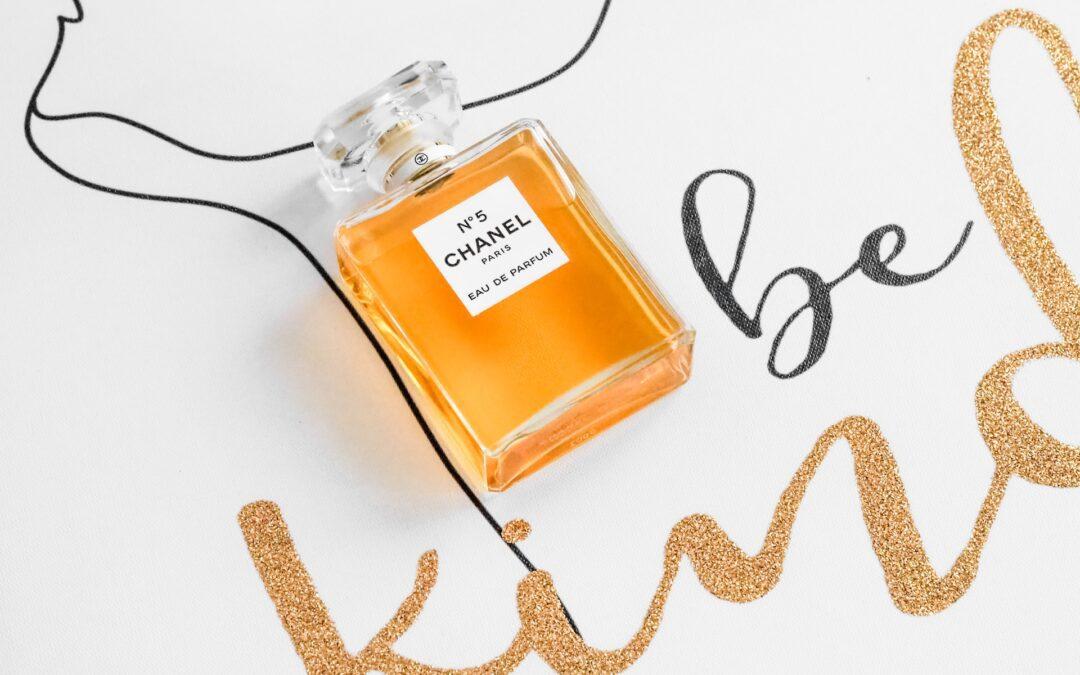
Take, for instance, the enduring allure of Chanel No. 5. This legendary perfume, synonymous with elegance and sophistication, has been the choice of various celebrities over the years. Marilyn Monroe famously declared that she wore nothing but a few drops of Chanel No. 5 to bed. This iconic endorsement has made the scent a timeless choice, evoking a sense of classic glamour. In a similar vein, Audrey Hepburn's loyalty to Givenchy's L'Interdit - a fragrance originally created exclusively for her by Hubert de Givenchy - speaks to her personal relationship with the designer and her subtle, refined taste.
In contrast, contemporary celebrities often opt for modern, edgy fragrances that reflect their dynamic personas. Lady Gaga's preference for Thierry Mugler's Womanity speaks to her bold and avant-garde aesthetic, a fragrance that is as unconventional and provocative as her style. Similarly, Rihanna's affection for Kilian's Love, Don't Be Shy, a sweet and playful scent, mirrors her vibrant and fearless personality.
The allure of niche brands is also evident in celebrity choices. These artisanal fragrances offer a departure from the mainstream and are often prized for their uniqueness and complexity. Johnny Depp, for example, has been known to wear Dior's Sauvage, a scent that reflects his rugged and enigmatic persona. This preference for niche scents highlights a desire among celebrities to differentiate themselves, to wear something that is both distinctive and personal.
But it's not just about individual taste. The perfumes celebrities choose often set trends and influence consumer behavior. When a star like Selena Gomez wears Dolce & Gabbana's Light Blue, it not only reflects her youthful and fresh style but also propels the fragrance to new heights of popularity. The celebrity endorsement acts as a powerful marketing tool, often catapulting a fragrance into the limelight.
In sum, the scents celebrities wear are more than just a matter of personal preference; they are a statement of identity, a tool for branding, and often, a trendsetter. These choices range from timeless classics that speak to a sense of enduring elegance, to modern and niche fragrances that reflect a celebrity’s desire to stand out and be unique. As we explore these scented choices, we delve into a world that is both intensely personal and fascinatingly public, a world where a fragrance becomes an extension of the celebrity themselves.
Examples Of The Most Luxury Perfumes
Dior J'adore for Women Eau de Parfum Spray, 1.7 Ounce
Available here on Amazon.
Guerlain Shalimar Eau De Parfum Spray for Women, 3 Ounce
Available here on Amazon.
Tom Ford Black Orchid Eau De Parfum Spray for Women, 3.4 Ounce
Available here on Amazon.
Christian Dior Eau de Parfum Spray for Women, Addict, 3.4 Ounce
Available here on Amazon.
Burberry My Burberry Eau de Parfum, 3 Fl Oz
Available here on Amazon.
Read also: TOP 100 Luxury Services List
Recommended Articles

Top 80 Workplace & Corporate Fundraising Ideas
The best workplace fundraising ideas pair one or two...

80 Profitable Ocean and Sea Business Ideas for 2026
Where land ends, opportunity does not. From charter fleets...