
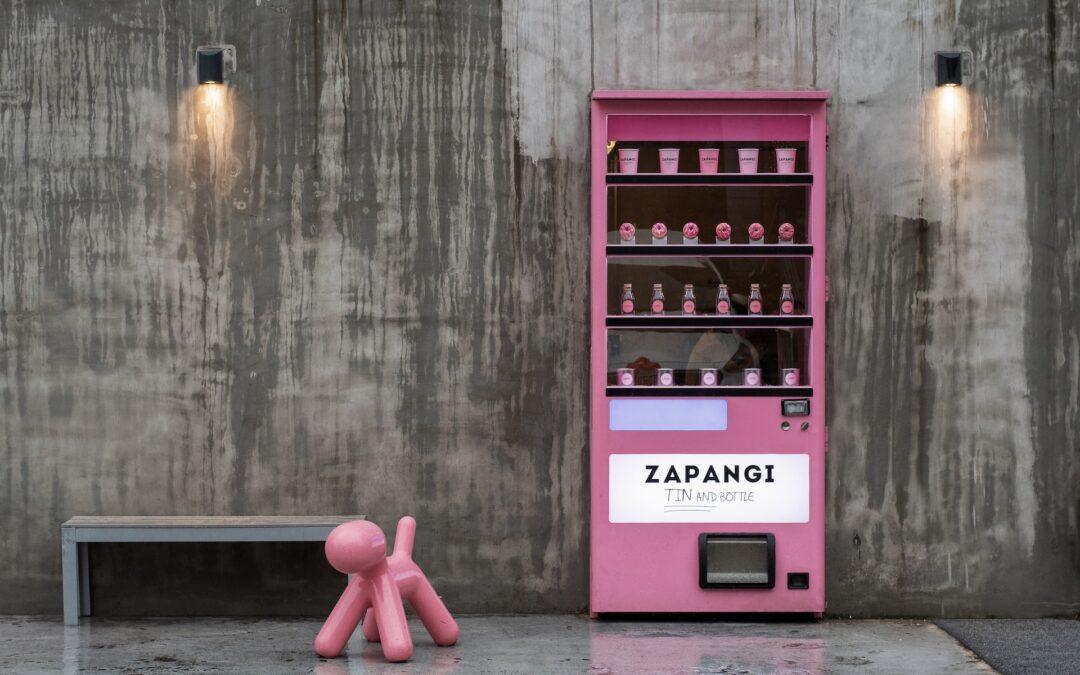
Vending machines are a staple of convenience, seamlessly blending into workplaces, schools, hospitals, and countless other places we frequent. These machines have become more than just quick snack providers - they serve as reliable solutions to modern needs. With their ability to offer instant access to essentials, vending machines play a crucial role in simplifying our daily routines and improving efficiency in both personal and professional settings.
In this article, we’ll break down 20 key benefits of vending machines, showing how they go far beyond dispensing snacks and drinks. From their role in keeping employees energized at work to saving time by reducing the need for long queues, these machines offer undeniable advantages. We’ll explore how they help businesses, support healthier choices, and keep up with changing consumer demands, all while staying convenient and efficient around the clock.
The Biggest Benefits of Vending Machines
1. Convenience Redefined
Vending machines redefine convenience by providing effortless access to an array of snacks, beverages, and essentials, all within arm's reach. This accessibility saves valuable time for employees, students, or customers who no longer need to step away from their tasks or activities to procure necessary items.
2. Round-the-Clock Availability
Operating 24/7, vending machines cater to diverse schedules, ensuring access to essentials at any time of the day or night. This availability is particularly beneficial for businesses operating during unconventional hours or for educational institutions with varied study times.
3. Diverse Product Range
The beauty of vending machines lies in their ability to offer a diverse range of products. From traditional snacks to specialized dietary options, they cater to varying tastes, preferences, and dietary needs, making them an inclusive solution for different demographics.
4. Enhanced Productivity through Time Efficiency
By eliminating the need to travel in search of refreshments, vending machines significantly enhance productivity. Employees and students can save precious time, redirecting their focus and energy towards their tasks or studies rather than spending it in queues or trips to distant cafeterias or stores.
5. Revenue for Locations
Vending machines serve as an additional revenue stream for institutions like schools and offices. Whether through rental agreements or profit-sharing models, they offer a consistent income source, bolstering financial resources for the host locations.
6. Diversity in Location Options
Strategic placement of vending machines expands accessibility to goods in areas where traditional stores might not be viable. They bridge gaps, ensuring that products are available in diverse locations, thereby catering to a wider audience.
7. Alleviating Congestion
Minimizing congestion at cafeterias or stores, vending machines provide a quick and efficient alternative for immediate needs. This reduction in queues fosters a smoother flow within the workplace or educational environment, contributing to a more seamless operational experience.
8. Space Optimization
In space-conscious environments such as offices or schools, vending machines shine as they optimize space utilization. Their compact design efficiently utilizes limited space compared to traditional full-service cafes or shops, making them an ideal fit for tighter settings.
9. Supplementary Revenue Stream
For businesses, vending machines present an additional revenue stream without incurring substantial operational costs. They serve as a passive income source while enhancing the overall service offerings within the establishment.
10. Tailored Selections
Customization is a key advantage of vending machines, enabling businesses to curate specific product selections tailored to the location and its demographics. This customization ensures that the offerings align precisely with the needs and preferences of the target audience.
11. Employee Satisfaction and Morale Boost
By providing convenient access to snacks and beverages during work hours, vending machines contribute to employee satisfaction and morale. This accessibility fosters a more comfortable and accommodating work environment, indirectly impacting employee happiness and engagement.
12. Promoting Healthier Choices
Vending machines have evolved to offer a balanced mix of healthier alternatives alongside traditional snacks. This strategic placement encourages healthier eating habits without compromising on convenience, contributing to the promotion of overall well-being among users.
13. Energy Efficiency
Newer vending machines are engineered with advanced energy-saving features, not only cutting operational costs but also aligning with eco-conscious initiatives. Their design prioritizes reduced power consumption, contributing to a more sustainable environment while maintaining operational efficiency.
14. Hygiene and Safety
Vending machines minimize direct human contact with products, actively promoting hygienic practices and mitigating the transmission of germs. This is a crucial aspect, particularly in high-traffic areas like schools and offices, ensuring a safer environment for all.
15. Support for Small Businesses
These machines can serve as dynamic platforms for local vendors, providing them with a channel to showcase their goods to diverse audiences in various settings. It not only benefits the vendors by expanding their reach but also enriches the vending options available, fostering a sense of community and supporting local economies.
16. Education and Learning
In educational settings, vending machines can play a pivotal role in promoting nutritional awareness by offering a curated selection of healthy options. They serve as practical tools for reinforcing positive dietary habits among students.
17. Community Engagement
Beyond mere vending, these machines act as communal hubs, facilitating social interactions within shared spaces. They become natural meeting points, fostering engagement and strengthening the sense of community among users.
18. Emergency Preparedness
During emergencies or after regular operating hours, vending machines stand as reliable sources providing access to essential items. This readiness ensures that individuals have access to necessities when traditional outlets may not be available.
19. Reduced Waste
Modern vending machines integrate eco-friendly packaging solutions, aligning with sustainability goals. By minimizing waste generation through efficient packaging, they contribute to environmental conservation efforts.
20. Customer Satisfaction
In retail environments, the convenience offered by vending machines significantly enhances the overall shopping experience. Quick access to desired products at any time heightens customer satisfaction and loyalty.
How Vending Machines Influence Employee Retention
Keeping employees happy goes beyond salaries and benefits - it’s often about the little things that make their daily experience better. Vending machines in the workplace may seem small, but they have a noticeable impact on employee satisfaction and retention. When employees know they can grab a quick snack or coffee without leaving the office, it saves time and adds convenience. This thoughtfulness shows employers care about their well-being.
A well-stocked vending machine creates a positive atmosphere. It’s a simple way to show appreciation, especially during long shifts or crunch times. For example, an employee working late might appreciate a vending machine stocked with energy bars or a comforting hot drink. These moments matter and leave a lasting impression.
By addressing basic needs, vending machines reduce unnecessary stress and improve focus. Employees don’t have to worry about stepping out or waiting in lines, and this contributes to their overall work satisfaction. Happy employees are more engaged and less likely to leave, which saves companies the cost of turnover.
Customizable Vending Machines
Not all workplaces are the same, and vending machines shouldn’t be either. The ability to customize vending machines has transformed them into tailored solutions for unique workplace demands. Employers can handpick products that reflect their team’s needs and preferences.
For example, an office with health-conscious employees might choose vending machines stocked with granola bars, trail mixes, and sparkling water. In contrast, a factory operating long shifts might prioritize energy drinks, hearty snacks, or even full meal replacements. This flexibility allows businesses to align vending machine options with the specific demands of their workforce.
Customization also includes dietary needs. Whether it’s gluten-free, vegan, or nut-free options, providing inclusive choices ensures every employee feels considered. This inclusiveness fosters goodwill and strengthens team culture.
Employers can also use customization to build workplace identity. Branding vending machines with company colors or messages can reinforce corporate values and make the machines feel like part of the workplace.
Impact of Vending Machines on Small & Remote Businesses
Small and remote businesses face unique challenges. Limited access to retail options or cafeterias can make it hard to provide employees with the essentials. Vending machines solve this problem efficiently, offering convenient access to snacks, drinks, or even basic supplies without the need for extra staffing or store space.
For example, a small construction site or a remote office can benefit greatly from vending machines stocked with water, quick snacks, and even first aid essentials. Employees save time by not needing to leave the premises, and employers save on the costs of managing a canteen or additional facilities.
These machines are also a practical way to boost morale in remote areas where other amenities may be limited. Offering familiar comforts, like coffee or favorite snacks, helps employees feel more connected and valued, even in less accessible locations.
Additionally, vending machines can act as a revenue stream for small businesses. By entering agreements with vending providers or managing the machines themselves, businesses can offset costs or even generate extra income.
How Are Vending Machines Helpful in Business or School?
Vending machines have quietly become the unsung heroes of convenience in both the business world and educational institutions. Their ubiquitous presence offers far more than a mere quick snack fix; they provide a range of benefits that contribute significantly to the efficiency and convenience of daily operations.
Vending machines play a vital role in enhancing productivity. Imagine the midday hustle within a corporate office time is a precious commodity. Vending machines stationed strategically within these spaces offer employees a swift solution to hunger pangs or the need for a caffeine boost. This instant access to refreshments eradicates lengthy breaks, enabling workers to remain focused and engaged in their tasks.
Moreover, vending machines cater to the diverse tastes and dietary preferences of employees. From healthy snacks to indulgent treats, these machines stock an array of options, ensuring that every individual's cravings or dietary needs are met. This diverse selection not only satisfies appetites but also promotes inclusivity within the workplace, fostering a sense of consideration for varying lifestyles and preferences.
School environments equally benefit from the presence of vending machines. For students navigating packed schedules, these automated vendors offer a lifeline, especially during the often-hectic transition between classes. Time constraints can make it challenging for students to grab a meal or a quick snack. Vending machines bridge this gap, providing convenient access to food and beverages, enabling students to refuel and recharge swiftly.
Furthermore, vending machines in educational settings are often tailored to align with nutritional guidelines, offering healthier alternatives to traditional vending machine fare. This focus on healthier options helps instill good eating habits among students, contributing positively to their overall well-being.
In addition to their convenience, vending machines also serve as valuable revenue streams for businesses and schools. The constant flow of transactions generated by these machines translates into a steady income source. For educational institutions facing budgetary constraints, these earnings can be channeled back into various academic or extracurricular programs, enriching the overall student experience.
Beyond mere convenience and financial contributions, the presence of vending machines fosters a sense of self-reliance and responsibility. Managing these automated systems involves monitoring inventory, restocking, and troubleshooting—a hands-on learning opportunity for students interested in business operations or entrepreneurship.
Why Do People Use Vending Machines?
People use vending machines for their convenience and accessibility. These automated devices offer quick access to a variety of products, eliminating the need for human interaction in purchasing goods. They are popular due to their round-the-clock availability, catering to busy schedules and providing immediate satisfaction for cravings or necessities.
Vending machines are utilized for their efficiency in providing on-the-go solutions, especially in high-traffic locations like offices, schools, malls, and public areas. They offer a wide range of items, from snacks and beverages to everyday essentials like toiletries, making them a versatile and reliable option for quick purchases.
Moreover, vending machines offer a cashless transaction experience, integrating various payment methods such as credit/debit cards, mobile payments, and even contactless options like NFC and QR codes. This seamless payment process enhances the overall convenience and speed of acquiring desired items.
What Are the Disadvantages of Vending Machines?
Celebrated for their convenience, vending machines have become ubiquitous in our daily lives. However, behind their ease and accessibility lie a set of drawbacks that often go unnoticed. Exploring the limitations of vending machines sheds light on their challenges and helps us weigh their convenience against these inherent disadvantages.
Limited Product Variety
Vending machines often have a confined inventory, which can be frustrating for consumers seeking diverse options. For individuals with specific dietary needs or preferences, such as gluten-free or vegan diets, the limited choices might not cater to their requirements. This limitation may also deter potential customers from using vending machines, impacting their convenience and accessibility.
Maintenance Challenges
Mechanical issues are an inherent challenge with vending machines. Malfunctions or breakdowns can occur due to various reasons—wear and tear, technical faults, or even vandalism. These problems lead to downtime, inconveniencing customers who rely on these machines for quick purchases. For business owners, frequent maintenance or repair costs can accumulate, affecting their bottom line and operational efficiency.
Dependency on Electricity
Vending machines heavily rely on a constant power supply. During power outages or disruptions, these machines become non-functional, resulting in lost sales opportunities and disappointed customers. This dependency on electricity creates a vulnerability that directly impacts the reliability and accessibility of vending machines.
Lack of Freshness
The freshness of products in vending machines is a significant concern, especially for perishable items like fruits, sandwiches, or salads. Without proper temperature control or quick turnover, these items may spoil quickly, compromising their quality and taste. Consumers expect freshness when purchasing food items, and vending machines may struggle to meet these expectations, affecting customer satisfaction and trust.
Security Concerns
Vending machines are susceptible to theft, vandalism, or tampering. This poses financial losses for owners and can create a sense of insecurity among customers. Instances of vandalism or theft not only lead to immediate monetary losses but also impact the perceived reliability and safety of these machines, potentially deterring future use.
High Costs and Fees
Acquiring, maintaining, and restocking vending machines can be costly for business owners. Initial setup costs, routine maintenance expenses, and the constant need to restock products can eat into profit margins significantly. Additionally, fees associated with vending machine placement or commission fees to the location owner further impact the overall profitability of the vending business.

BusinessNES is where entrepreneurs and business thinkers come to find ideas worth building — and the knowledge to build them right.
Recommended Articles

Top 80 Workplace & Corporate Fundraising Ideas
The best workplace fundraising ideas pair one or two...

80 Profitable Ocean and Sea Business Ideas for 2026
Where land ends, opportunity does not. From charter fleets...