
Retail stores come in many forms, from small convenience shops to large department stores and online stores. Each type serves a different customer need, product category, and shopping experience.
In this guide, you’ll find 40 of the most important types of retail stores, along with clear definitions and examples of the products they typically sell. Whether you want to understand retail store formats, compare business models, or explore shop ideas, this list gives you a simple and practical overview.
A retail store is a business that sells goods directly to consumers. Retailers usually buy products from manufacturers or wholesalers and resell them in smaller quantities to the public.
40 TYPES OF RETAIL STORES
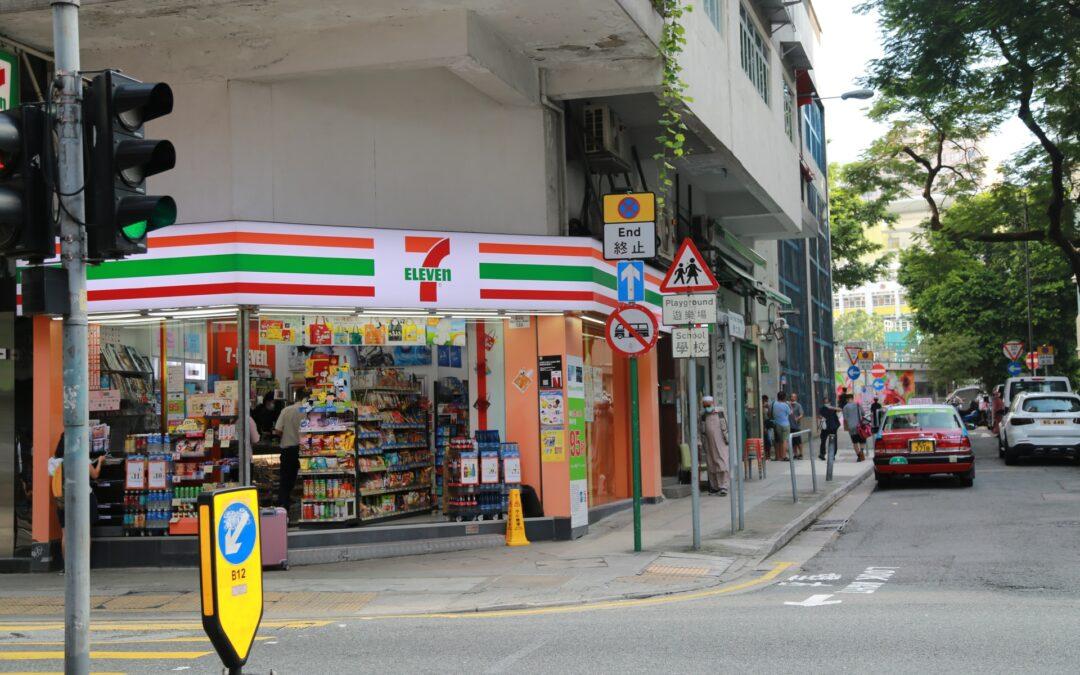
1. Convenience store
A convenience store, also called a corner store, is a small retail shop that sells everyday essentials people often need quickly. Its main advantage is convenience, not a huge product range or the lowest prices. These stores are usually located in residential areas, near gas stations, or in other easy-to-reach locations.
Common products sold in convenience stores include snacks, soft drinks, coffee, basic groceries, confectionery, tobacco products, and newspapers. Many convenience stores also stay open long hours, and some operate 24/7.
2. Supermarket
A supermarket is a large self-service retail store that mainly sells food, beverages, and household goods. Products are organized into clearly marked sections, which makes shopping faster and easier for customers.
Most supermarkets offer fresh produce, dairy products, meat, frozen foods, packaged foods, drinks, cleaning products, and basic personal care items. Compared with smaller grocery stores, supermarkets usually have a wider selection and more competitive prices.
3. Hypermarket
A hypermarket is a very large retail store that combines the features of a supermarket and a department store in one location. It typically sells groceries alongside a wide range of non-food products, such as clothing, electronics, home goods, toys, and seasonal items.
The main feature of a hypermarket is scale. It is designed to be a one-stop shop where customers can buy both everyday essentials and larger household purchases during one visit. Hypermarkets are often located outside city centers because they require a large amount of space.
4. Department store
A department store is a large retail store divided into separate sections, or departments, with each one focused on a specific product category. This format allows customers to shop for many different types of goods under one roof.
Typical departments may include clothing, shoes, cosmetics, home appliances, furniture, toys, books, jewelry, and sporting goods. Department stores usually offer a broader product mix than specialty stores, but each department is more focused than in a general supermarket.
5. E-commerce store
An e-commerce store is a retail business that sells products or services online through a website or mobile app. Customers can browse products, compare options, place orders, and make payments without visiting a physical store.
Common types of ecommerce stores include single-brand online shops, large online retailers, and online marketplaces. The core feature of this retail format is accessibility, because customers can shop from anywhere and at any time.
6. Warehouse store
A warehouse store is a large retail store focused on selling products in bulk or at lower prices than many traditional retailers. These stores usually have a simple, no-frills layout and are designed for efficient storage and high-volume sales.
Warehouse stores often sell groceries, household supplies, furniture, tools, home improvement products, and other everyday goods. Some operate on a membership model, while others are open to the general public. Their main appeal is value, large pack sizes, and practical product selection.
7. Kiosk
A kiosk is a small stand-alone retail unit usually placed in high-traffic areas such as shopping malls, airports, train stations, or city centers. It takes up little space and is designed for quick, simple transactions.
Kiosks often sell products such as snacks, drinks, newspapers, phone accessories, beauty items, or souvenirs. Some kiosks also provide services, for example ticket sales, key cutting, or photo printing.
8. Stall
A stall is a small selling space used in markets, fairs, or other busy public places. It is often temporary or seasonal, although some stalls operate regularly in the same location.
Market stalls commonly sell fresh food, handmade products, clothing, flowers, street food, or local goods. One of their main features is direct contact between the seller and the customer, which gives this retail format a more personal and flexible character.
9. Discount store
A discount store is a retail store that sells products at lower prices than many standard retailers. It usually keeps prices down by offering simpler store layouts, fewer services, limited product displays, or a more focused selection of goods.
Some discount stores sell a broad range of products, including food, home essentials, clothing, toys, and seasonal items. Others specialize in one category. The key feature is value for money, which makes this type of store especially attractive to price-conscious shoppers.
10. Grocery store
A grocery store is a retail store that mainly sells food and basic household supplies. It is one of the most common types of retail stores and is often used for routine shopping close to home.
Typical products include bread, milk, cheese, snacks, beverages, canned goods, frozen foods, and cleaning essentials. Grocery stores are usually smaller than supermarkets, but they focus strongly on everyday needs and fast shopping.
Read also: List of 100 Top Selling Grocery Items
11. Clothes shop
A clothes shop, or clothing store, sells ready-made garments for different ages, styles, and needs. Some focus on everyday fashion, while others specialize in formalwear, sportswear, children’s clothing, plus-size fashion, or designer items.
The main purpose of a clothes shop is to offer apparel that fits a specific target customer. Many clothing stores also sell related fashion items such as belts, scarves, hats, or basic accessories.
12. Shoe store
A shoe store specializes in footwear for men, women, or children. Depending on the store, the range may include casual shoes, sneakers, boots, sandals, formal shoes, sports shoes, or seasonal footwear.
Many shoe stores also sell related products such as socks, insoles, shoe care items, handbags, wallets, and small accessories. Compared with general fashion stores, a shoe store offers more choice in sizes, styles, and footwear-specific brands.
13. Drug store
A drug store, also called a pharmacy, is a retail store where medicines and health-related products are sold. In many cases, prescription drugs are dispensed there as well, depending on local laws and the type of pharmacy.
Besides medicines, drug stores often carry vitamins, supplements, personal care items, hygiene products, first aid supplies, baby products, and basic cosmetics. Their core focus is health, wellness, and everyday care.
14. Bakery store
A bakery store is a retail business that makes and sells baked goods. Typical bakery products include bread, rolls, cakes, cookies, pastries, pies, muffins, and donuts.
Some bakeries specialize in fresh bread and everyday baked goods, while others focus more on desserts and cakes. Many modern bakery stores also combine retail sales with a cafe area, where customers can buy coffee and eat on site.
15. Coffee shop
A coffee shop is a retail and food service business centered on coffee and other beverages. It usually sells freshly prepared coffee drinks, tea, and light food such as pastries, sandwiches, or cakes.
Some coffee shops also sell packaged coffee beans, mugs, thermos flasks, brewing equipment, and other coffee-related accessories. A key feature of this type of store is that it often combines retail sales with a casual place to sit, work, or meet people.
16. Home appliances & household goods store
A home appliances and household goods store sells practical products used in daily home life. This usually includes larger appliances as well as smaller devices that make household tasks easier.
Examples include washing machines, vacuum cleaners, dishwashers, refrigerators, microwaves, kettles, mixers, and irons. Some stores in this category also sell kitchen tools, storage items, and other household essentials, which makes them useful for home setup and replacement purchases.
17. Thrift store
A thrift store is a retail store that sells second-hand goods, most commonly used clothing. Many thrift stores also offer shoes, bags, accessories, books, toys, and small home items.
The main advantage of a thrift store is lower pricing compared with buying new products. It is also popular among shoppers looking for unique items, vintage fashion, or a more budget-friendly and sustainable way to shop.
18. Gift shop
A gift shop sells products that are suitable for giving as presents. These stores usually focus on small, attractive, easy-to-buy items rather than practical everyday essentials.
Common products include mugs, candles, greeting cards, party items, small home decor, toys, novelty products, and seasonal gifts. Gift shops are often located in shopping centers, tourist areas, museums, and other places where people look for ready-made gift ideas.
Read more: 30 Best Things to Sell in a Gift Shop – TOP Selling Items
19. Pet store
A pet store sells products for the care, feeding, and everyday needs of animals kept as pets. This usually includes pet food, treats, bowls, toys, cages, bedding, grooming products, and health-related accessories.
Some pet stores also sell live animals, such as fish, birds, hamsters, or reptiles, although this depends on the business model and local regulations. Many pet stores are organized by animal type, which helps customers quickly find products for dogs, cats, birds, fish, or small pets.
20. Souvenir shop
A souvenir shop sells products that help people remember a place, trip, or local experience. These stores are especially common in tourist destinations, city centers, airports, and cultural attractions.
Typical items include postcards, fridge magnets, keychains, regional crafts, local foods, and small branded gifts. The main feature of a souvenir shop is that the products are linked to a specific location, culture, or travel memory.
21. Antique shop
An antique shop sells old items that are valued for their age, craftsmanship, rarity, or historical character. These products may be bought for practical use, interior decoration, or collecting.
Common items sold in antique shops include old furniture, clocks, mirrors, pottery, lamps, artwork, instruments, and decorative objects. Unlike a general second-hand store, an antique shop focuses more on age, uniqueness, and collector appeal.
22. Home decor store
A home decor store sells products that improve the look, style, and atmosphere of a home. The main focus is not large furniture, but smaller decorative and functional items that help shape an interior.
Typical products include cushions, tablecloths, candles, lamps, vases, wall art, tableware, mirrors, and home fragrances. These stores are popular with customers who want to refresh a room without making major changes.
23. Jewelry store
A jewelry store specializes in selling decorative personal accessories made from precious metals, gemstones, or other materials. These stores may offer both everyday pieces and high-value items for special occasions.
Common products include rings, earrings, necklaces, bracelets, brooches, watches, and cufflinks. Some jewelry stores also provide services such as resizing, repairs, engraving, or custom-made designs.
24. Bookstore
A bookstore is a retail store that mainly sells books across different genres and subjects. Depending on the store, the selection may include fiction, non-fiction, children’s books, educational titles, travel guides, and specialist publications.
Many bookstores also sell related products such as notebooks, journals, bookmarks, maps, greeting cards, board games, and gift items. Some include reading areas or small cafe spaces, which makes the shopping experience more relaxed and inviting.
25. Greengrocer
A greengrocer is a food retail store that mainly sells fresh fruit and vegetables. In many cases, it also offers other basic food products such as herbs, legumes, grains, rice, nuts, spices, and locally sourced items.
The main feature of a greengrocer is its focus on fresh produce. Compared with larger supermarkets, these stores often provide a more specialized selection and may place greater emphasis on freshness, seasonality, and local supply.
Read also: TOP 40 Products to Sell in the UK Online
26. Garden store
A garden store sells products related to gardening, outdoor care, and outdoor living. It serves customers who want to grow plants, maintain a garden, or improve the appearance and function of outdoor spaces.
Typical products include plants, seeds, soil, fertilizers, pots, tools, lawn mowers, watering equipment, garden furniture, and decorative outdoor accessories. Some garden stores also sell seasonal items such as barbecue equipment, outdoor lighting, or holiday garden decor.
27. Store with smartphones, computers & electronics
A smartphone, computer, and electronics store sells consumer technology products used for communication, entertainment, work, and everyday convenience. These stores usually carry both major devices and smaller electronic accessories.
Common products include smartphones, tablets, laptops, desktop computers, headphones, chargers, cables, smartwatches, televisions, speakers, cameras, and power banks. Many stores in this category also offer product advice, warranty support, setup services, or repairs.
28. Cleaning supplies store
A cleaning supplies store specializes in products used to clean homes, workplaces, and commercial spaces. Its main focus is practical, everyday cleaning rather than general household shopping.
Typical products include floor cleaners, bathroom cleaners, kitchen cleaners, laundry detergents, disinfectants, sponges, brushes, cloths, gloves, bins, and other cleaning accessories. Some stores also stock stronger professional-grade products for business use.
29. Herbal store
A herbal store sells plant-based products commonly associated with traditional wellness, natural remedies, and herbal lifestyle products. The product range often includes both raw ingredients and ready-made items.
Examples include dried herbs, herbal teas, spices, essential oils, tinctures, flower essences, extracts, and natural body care products. These stores usually appeal to customers interested in natural living, alternative wellness products, and botanical ingredients.
30. Furniture store
A furniture store sells larger home and office furnishings designed for daily use, storage, comfort, and interior design. Some focus on one style or price range, while others offer a broad selection for different rooms and needs.
Typical products include sofas, tables, chairs, beds, wardrobes, desks, shelves, dressers, and cupboards. Many furniture stores also sell mattresses, lighting, rugs, and decorative accessories to help customers furnish complete spaces.
31. Candy store
A candy store is a retail shop that specializes in sweets and confectionery. These stores often focus on variety, color, and impulse purchases.
Popular products include chocolates, gummies, jelly beans, lollipops, toffees, fudge, marshmallows, and seasonal treats. Some candy stores also sell packaged gift boxes, novelty sweets, or imported confectionery that is harder to find in regular grocery stores.
32. Toy store
A toy store sells products designed for play, learning, and entertainment for children of different ages. The selection may be organized by age group, interest, skill level, or toy category.
Common products include dolls, action figures, puzzles, educational toys, building sets, board games, plush toys, arts and crafts kits, and outdoor play items. Compared with general retailers, toy stores usually provide a more focused and age-specific product range.
33. Organic food store
An organic food store specializes in food products that meet specific organic or natural production standards. These stores usually focus on food made without synthetic pesticides, artificial additives, or genetically modified ingredients, depending on local certification rules.
Typical products include organic fruit and vegetables, dairy products, eggs, grains, snacks, juices, packaged foods, and natural household items. Customers often choose these stores because they want food with a more natural image, certified sourcing, or specific dietary standards.
34. Stationery shop
A stationery shop sells writing materials, paper products, and office or school supplies. It mainly serves students, office workers, businesses, and people looking for practical paper-based products.
Common items include notebooks, pens, pencils, envelopes, folders, printer paper, calendars, markers, labels, and desk accessories. Some stationery shops also sell greeting cards, gift wrap, craft materials, and basic office equipment.
35. Florist
A florist is a retail store that sells fresh flowers, floral arrangements, and related decorative products. Florists often prepare bouquets for everyday purchases as well as for weddings, funerals, anniversaries, and other events.
Besides cut flowers, many florists also sell potted plants, vases, ribbons, greeting cards, small gifts, and plant care accessories. A key feature of this type of store is custom arrangement, because many products are prepared to order.
Read also: TOP 20 Best Things to Sell in a Flower Shop
36. Cosmetics & make up store
A cosmetics and makeup store sells beauty products used for personal care, grooming, and appearance. Some stores focus on mass-market beauty items, while others specialize in premium, professional, or natural products.
Typical products include foundation, lipstick, mascara, skincare products, hair care items, nail products, brushes, mirrors, and other beauty accessories. Many stores in this category also offer testers, shade matching, or basic beauty advice.
37. Butcher store
A butcher store is a retail shop that specializes in fresh meat and related products. It usually sells raw cuts of beef, pork, poultry, and sometimes lamb, fish, or ready-to-cook meat products.
Many butcher stores also offer sausages, burgers, marinated meats, deli products, and custom cutting services. Compared with general grocery stores, a butcher shop often provides more specialized selection, fresher preparation, and direct service.
38. Hardware store
A hardware store sells tools, repair materials, and practical supplies used for construction, maintenance, and home improvement. It serves both everyday customers and people working on DIY or renovation projects.
Typical products include hammers, drills, saws, screws, nails, adhesives, paints, locks, plumbing parts, electrical accessories, and safety gear. Some hardware stores also sell gardening tools, ladders, storage items, and small building materials.
39. Handbags store
A handbags store specializes in bags and related fashion accessories. Its main focus is style, function, and personal accessories rather than full clothing collections.
Common products include handbags, tote bags, clutches, purses, wallets, and sometimes backpacks or travel bags. Some stores also carry belts, scarves, and small leather goods to complement the main product range.
40. Shop with video games & gaming consoles
A video game and gaming console store sells entertainment products related to video gaming. These stores usually offer both hardware and software for casual players and dedicated gamers.
Typical products include gaming consoles, video games, controllers, headsets, charging docks, accessories, and prepaid gaming cards. Some stores also sell used games, collectible merchandise, retro titles, and vintage consoles, which makes them appealing to both current players and collectors.
Other popular types of retail stores:
- Tobacco shop
- Liquor store
- Retail outlet – a store that is owned by a particular company that sells the goods that the company has produced.
- Store with car accessories
- Skate shop
- Beauty & body care products store
- Store with sculptures, paintings and art
- Disabled accessories store
- Vape shop
- Scented candles, soap and perfume shop
- Art supply store
- Preppers shop
- Store with backpacks
- Hunting shop
- Fishing shop
- Music shop
- Car store
- Vegan grocery store
- Regional foods store (Asian, Italian, Turkish, Mexican etc.)
If you want to better understand the different types of stores, discover profitable retail business ideas, or learn how to build a complete shop inventory, be sure to check these:
50 TOP Small Shop Ideas That Make Good Money
List of 50 the best small shop ideas & tips. Electronics store, jewelry shop, boutique, sport apparel store, video games shop and many more.

Grocery Inventory Planning Tool for Stores & Supermarkets
Smart grocery inventory tool to plan what to stock, restock, and replace for higher sales, margins, and smarter inventory.
Read also

BusinessNES is where entrepreneurs and business thinkers come to find ideas worth building — and the knowledge to build them right.
Recommended Articles

Best Fundraising Platforms 2026
Choosing the wrong fundraising platform can quietly cost…

How to Promote a Fundraiser: 40 Proven Tactics That Work
Most failed fundraisers don’t fail because the cause was…